
How New Small Business Owners Can Build Strong Brands That Connect and Last
For new small business owners, the hardest part often isn’t building the product or service, it’s shaping how people feel the moment they encounter the business. Branding importance shows up in customer perception: the signals in messaging, design, and everyday interactions that quickly suggest whether a business is credible, consistent, and worth choosing. When those signals are unclear or mismatched, brand differentiation disappears, comparisons become price-driven, and momentum gets harder to sustain. When they align, brand impact on business success follows through stronger trust, clearer choices, and repeat demand.
Understanding the Building Blocks of Branding
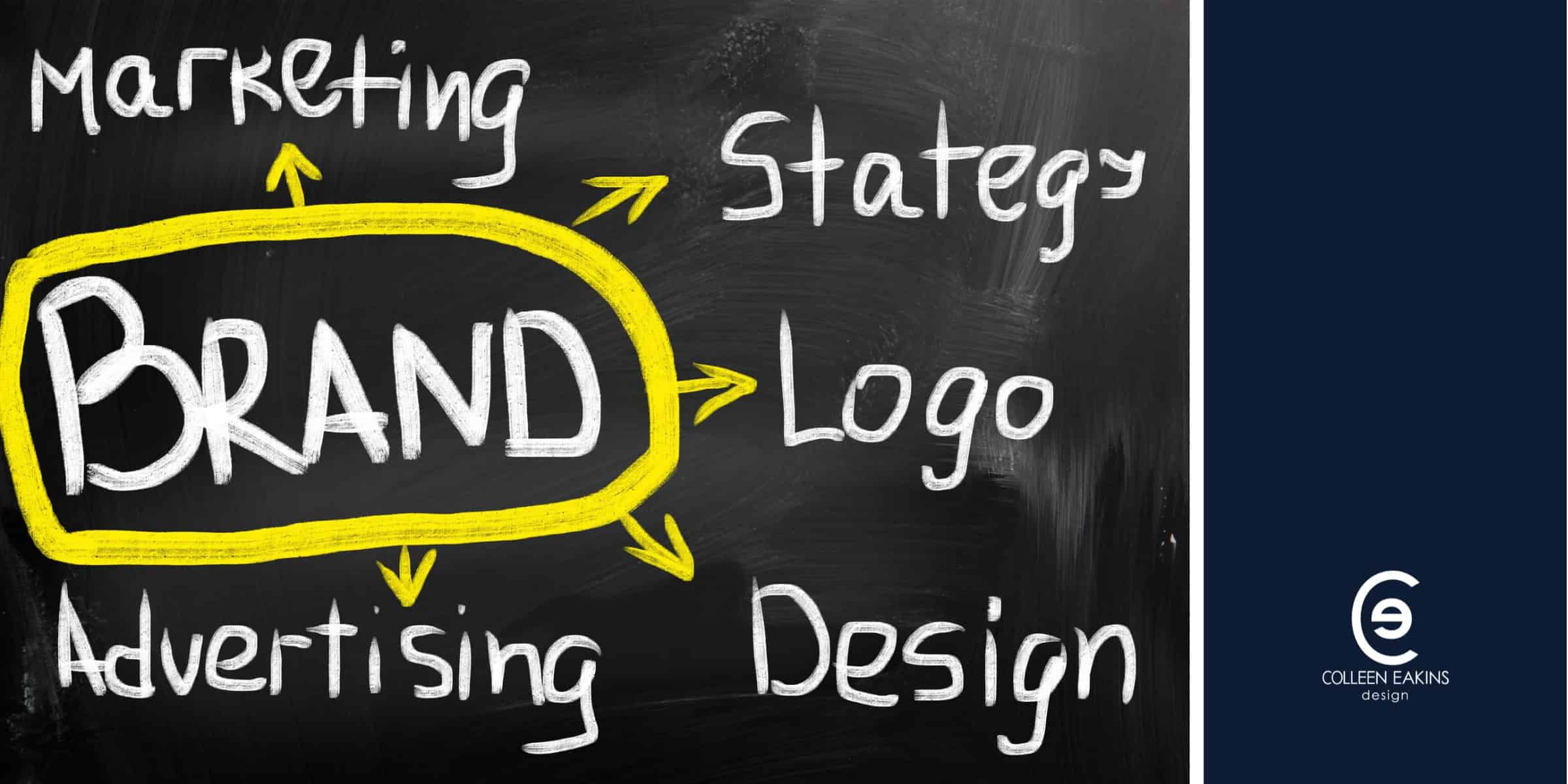
Branding is the sum of what people learn about you from every touchpoint, not just your logo. Put simply, branding defines who you are through your brand identity, while customer experience is how it feels to buy from you, get help, and come back. Common types of branding include personal branding, product branding, and service branding, but they all rely on the same signals.
This matters because customers make quick judgments from small cues like tone, speed, and follow-through. When those cues are consistent, people feel safer choosing you, and they may pay more, since 86% of buyers pay more for a better experience. Imagine two bakeries with similar prices: one has clear signage, friendly replies, and neat packaging, the other feels scattered. Both are “branding” every day, but only one is designing it on purpose.
Make Brand Images Easy to Review: A Simple Share-and-Approve Workflow
Once you know what your brand should look like, the next challenge is getting everyone to review the right visuals quickly. When you share images with your marketing team, keep it simple: gather the exact files needed for the review, name them clearly, and send them together so no one is hunting across threads or folders. If you need a single, review-friendly package, you can convert JPG to PDF free of charge to help ensure everyone can open and read the document easily, regardless of the operating system or image viewer they’re using. With images easy to access and comment on, you can move from scattered feedback to faster, clearer approvals. From there, you’re ready to turn your identity choices into consistent voice and execution across channels.
Build Your Brand in 7 Moves: Identity, Audience, Voice, Consistency
Strong brands aren’t built in a brainstorm, they’re built in small, repeatable moves. Use these steps to turn your identity into consistent customer-facing choices you can execute (and review/approve) without chaos.
- Write a one-page brand foundation: Define your purpose, values, “we help X do Y” promise, and 3–5 proof points (what makes you believable). Add three words that describe your brand personality (e.g., “clear, optimistic, no-nonsense”) and three words it should never feel like. This becomes the reference sheet you keep open while creating copy, visuals, and offers, so decisions are faster and less subjective.
- Pick one primary audience segment and one job-to-be-done: Stop aiming at “everyone who could buy.” Choose a specific segment (role + situation) and write the moment they start looking for a solution and what success looks like for them. Then list the top five questions they ask before buying and use those questions as your content and sales-page outline. This is the simplest way to strengthen target market connection without guesswork.
- Turn your voice into a mini style guide people can follow: Document your default tone, sentence style, and a short “say this / not that” list for common phrases (prices, guarantees, urgency, empathy). Include 2–3 sample responses for email, social replies, and a complaint, so your voice stays stable under pressure. The urgency is real: 60% of marketing materials fail to conform to brand guidelines, which is exactly how brands get diluted.
- Build a “message ladder” for consistent content across channels: Create three core messages (what you want to be known for), and for each, write one customer benefit, one proof point, and one short story/example. Use that ladder to produce variations for your website, one-pagers, social posts, and ads without re-inventing the brand every time. This also makes your visual review-and-approve workflow smoother because reviewers can check work against a stable set of messages.
- Standardize your asset workflow so consistency is easy, not heroic: Set up a single “current approved” folder (logos, colors, templates, product photos) and a separate “working” folder for drafts. For every campaign, compile key visuals and copy into one review-friendly document, request feedback in one place, and capture approvals with dates/version numbers. You’ll prevent old logos, random colors, and unreviewed edits from slipping into public posts.
- Choose DIY vs. pro help using a risk-and-reuse test: DIY is usually safe for internal docs, early social templates, basic product photos, and first-round copy, especially when you have a clear foundation sheet. Professional branding services tend to pay off when work is high-risk (homepage, packaging, signage), high-reuse (logo system, templates), or hard to change later (naming, brand architecture). If a mistake would cost you real revenue or legal trouble, don’t learn on that project.
- Run small “connection tests” before you scale spend: Pick one channel and test two messages for two weeks (same offer, different framing), then track a simple metric like reply rate, click-through, or booked calls. If you use paid promotion, remember that digital ads can boost brand awareness by 80 percent, so treat ads as a way to validate what resonates, not a substitute for clarity. Lock the winning message into your message ladder and style guide.
Brand-Building Questions New Owners Ask Most
Q: How can I quickly analyze competitors without copying them?
A: Pick 5 competitors and scan only public basics: their headline promise, top three offers, pricing cues, and review language. Note what they repeat and what customers praise or complain about. Then choose one clear angle you can prove, such as faster turnaround, a simpler process, or a specific niche outcome.
Q: What metrics actually tell me my branding is working?
A: Track signals tied to trust: direct traffic to your site, branded search, referral mentions, email reply rate, and your close rate on qualified leads. Branding matters because almost 77% of marketers agree that a strong brand is a game-changer for business development, but your numbers should confirm it for your business.
Q: Why do people “like” my content but still not buy?
A: That often means your vibe is fine, but your promise is fuzzy or your proof is missing. Tighten your offer into one sentence, add one concrete result or example, and include a clear next step like “book a consult” or “get a quote.”
Q: When should I rebrand versus refine what I already have?
A: Rebrand when the name, category, or audience is wrong, or when you have consistent negative confusion. Refine when the issue is inconsistency, unclear messaging, or weak differentiation. Try two weeks of focused message testing before changing your visuals.
Q: Can my personal brand help, or will it make my business feel unprofessional?
A: Personal brand can build credibility when it supports the business story and boundaries are clear. A helpful frame is that personal branding centers your values and purpose, then you translate that into consistent customer-facing decisions.
Turn a Clear Brand Strategy Into Consistent Small Business Growth
New owners often feel pulled between “fixing” the brand and simply getting customers, especially when feedback is mixed and competitors look polished. A steady branding strategy summary helps: define what you stand for, express it consistently, and use real signals, not assumptions, to guide adjustments. Applied over time, that approach reinforces brand value and makes small business brand growth feel less like guesswork and more like compounding trust. Strong brands aren’t built by rebrands; they’re built by consistent promises kept.
If you need help with your branding strategy and visuals, let’s talk! Contact Colleen Eakins Design today!
Keepin’ The Lights On